Discuss oxygen, moisture, aroma, grease and light exposure in relation to the formula and shelf-life target.
CUSTOM DRY PET FOOD PACKAGING
Dry pet food bags that work for your product and your filling line.
Start with kibble size, net weight and the filling equipment. We can compare bag structure, opening and reseal options before you finalise the print layout.
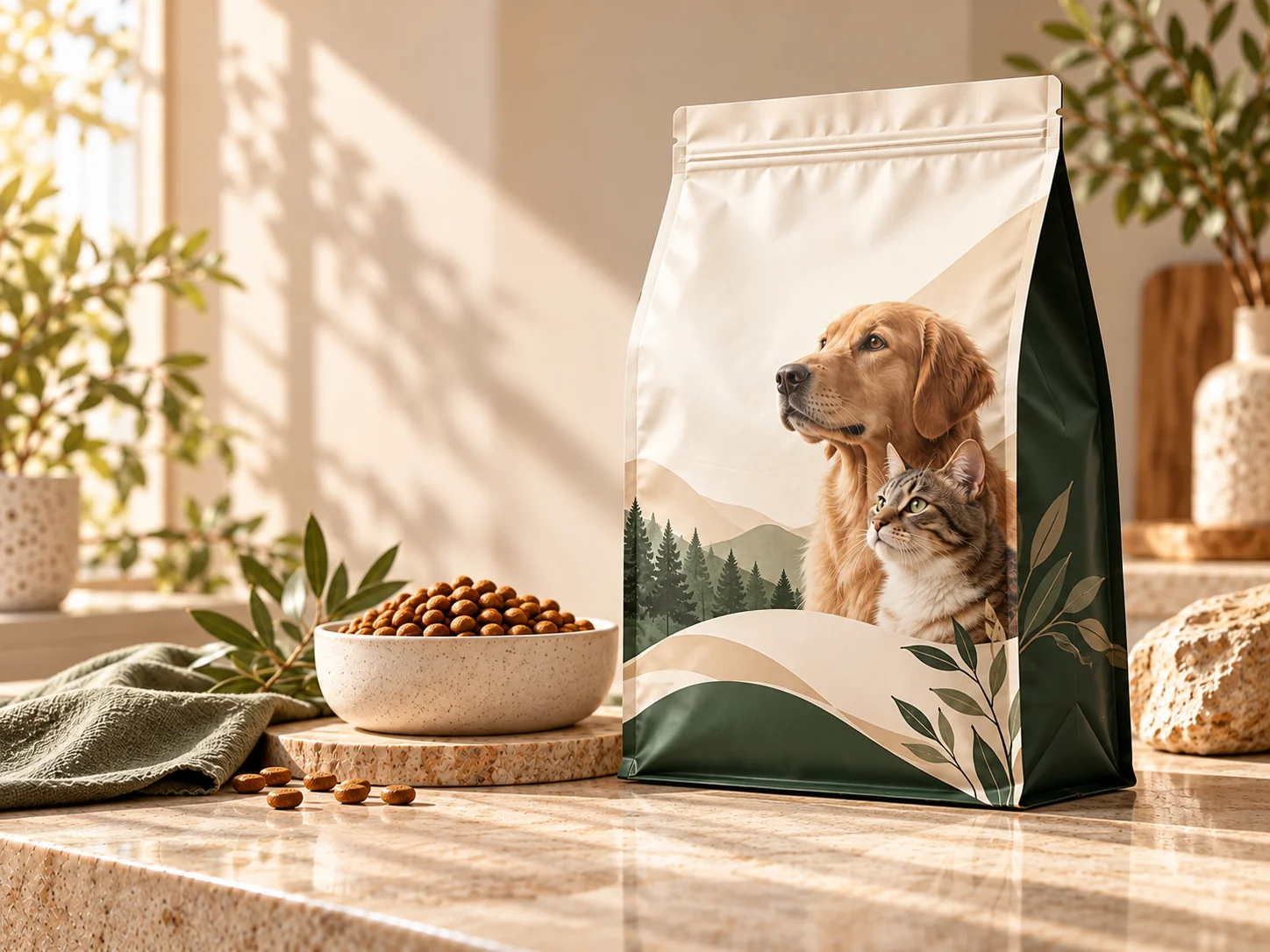
What to confirm first
What matters between filling and the shelf.
The key questions are the kibble, fill weight, barrier expectation, filling line, reseal need and the way the finished packs will be stored and shipped.
Check seals, gussets and any lifting area against the actual fill weight rather than an empty bag.
For multi-serve packs, decide whether a zipper or another closure is needed for storage after opening.
Opening width, bag presentation and seal area should match the packing equipment and process.
Base shape, panel space and finished dimensions affect shelf display as well as storage in the home.
Use carton dimensions, pallet plan and transport conditions when confirming the final bag specification.
Who this page is for
For pet food brands, co-packers and sourcing teams.
Matching bag opening, structure and seal area to the filling process and the product.
Planning pack sizes, shelf presentation and consumer convenience across a dry-food range.
Confirming the specification, cartons, pallets and agreed quality checks before purchase.
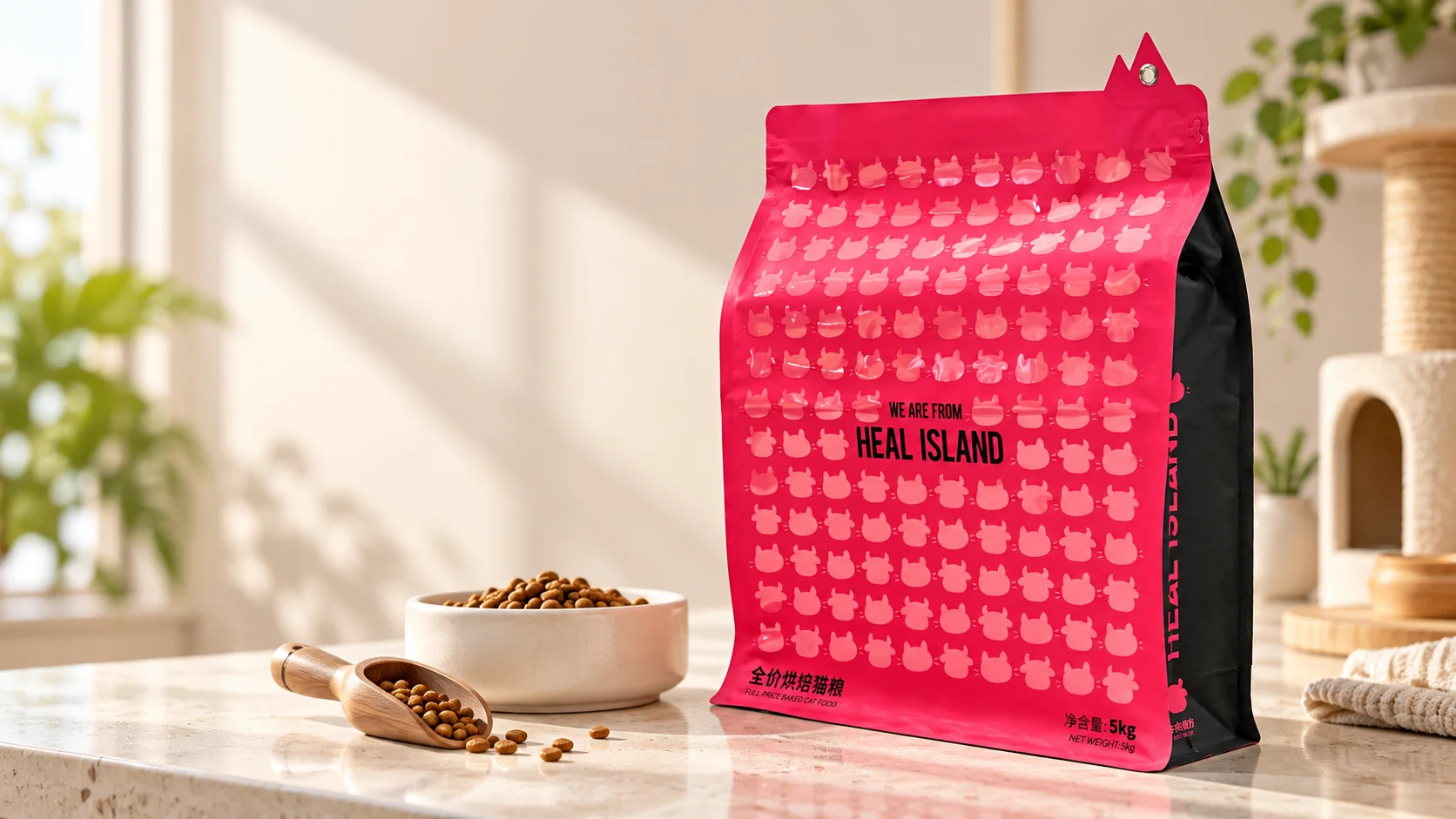
Structured retail bags
A stable base gives more shelf presence and printable space. Check the filled dimensions, top opening and how the bag runs on the filling line.
Explore flat-bottom pet food bags →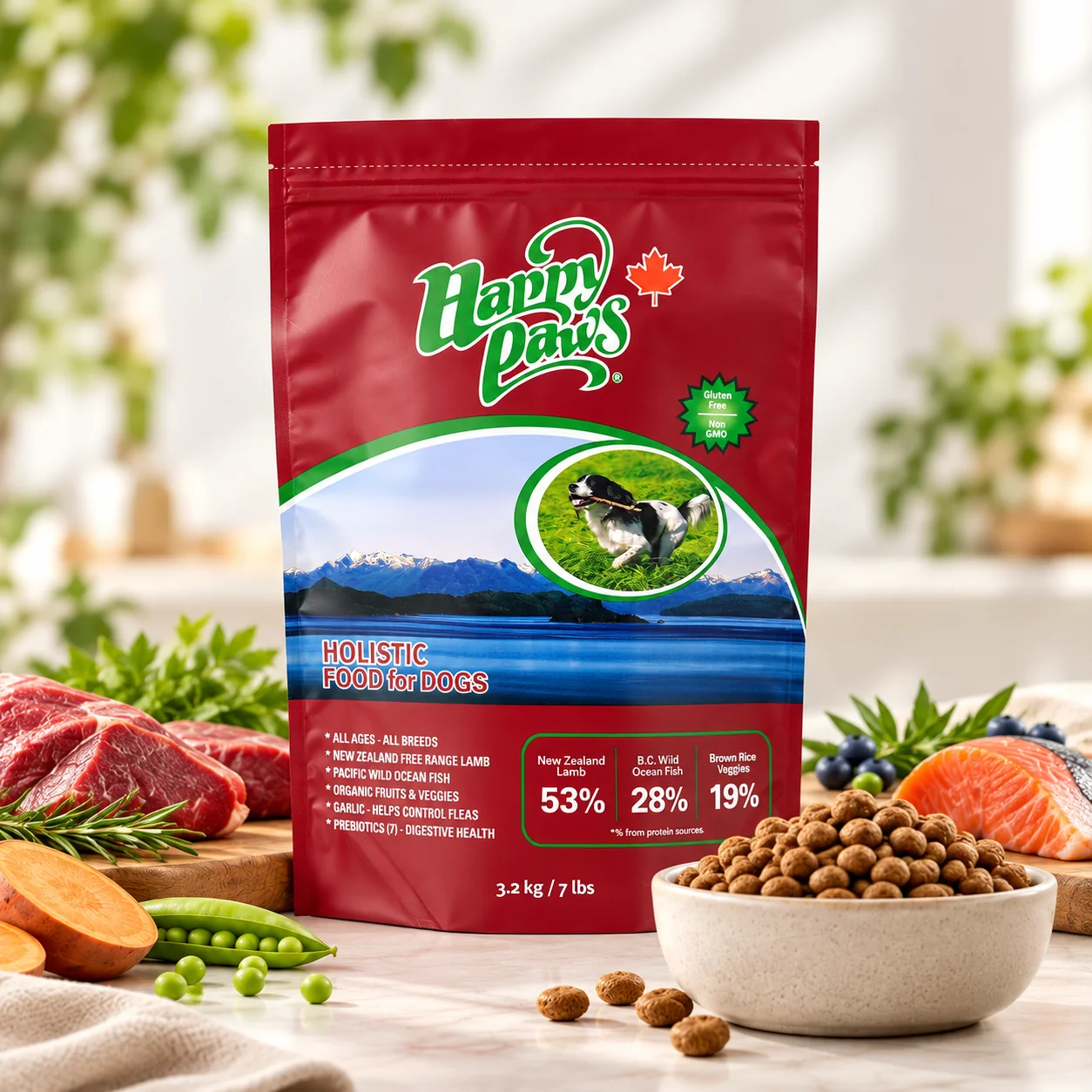
Everyday pouch formats
For bags used repeatedly, opening width and reclosure are as important as appearance. Check the closure against the intended fill weight and handling.
WHAT TO VERIFY
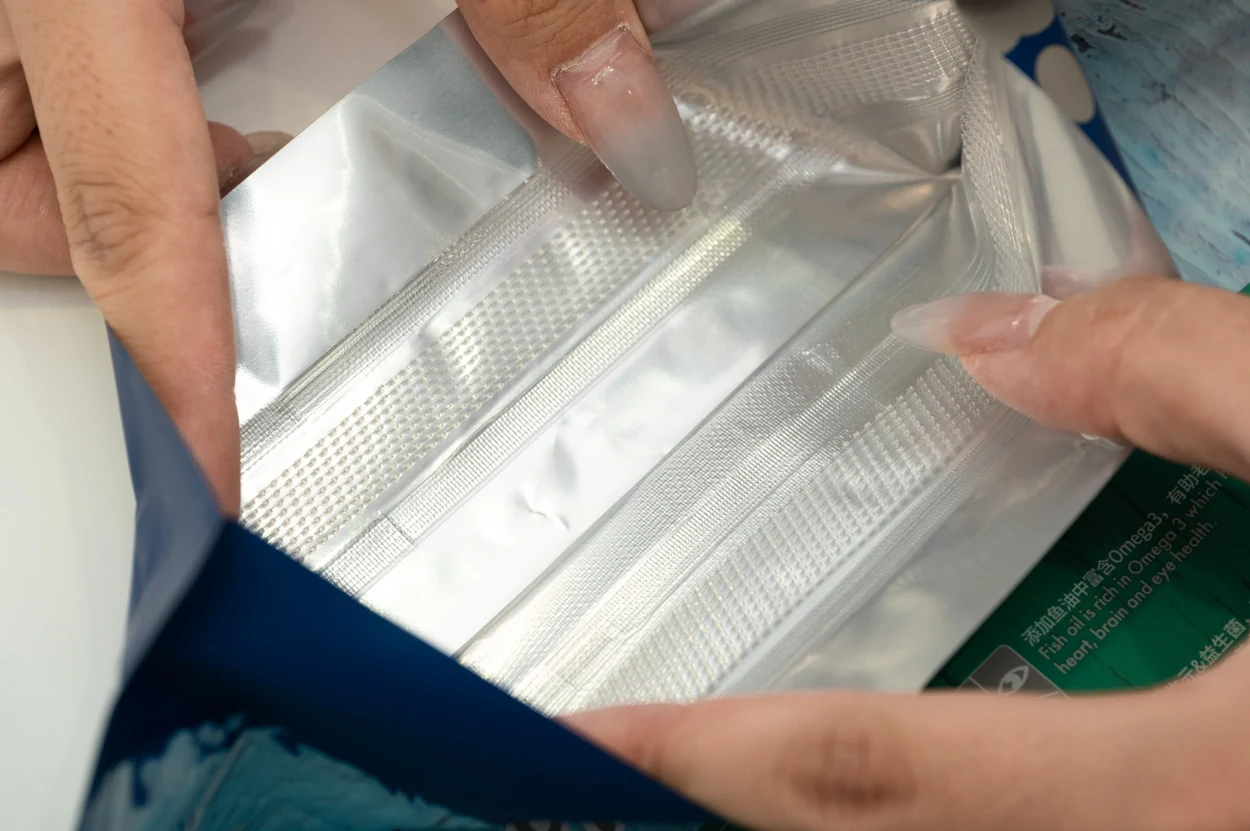
Check the closure on an actual sample.
Ask to review the zipper profile, inner film and seal area using the actual material combination. Confirm reclosure and filling compatibility on a filled pack; a detail photograph alone cannot prove performance.
Zipper profileInner film & sealsFilling-line trial
| Reference capacity band | Bag formats to compare | Useful features | Main checks |
|---|---|---|---|
| 100–500 g | Stand-up pouch or small flat-bottom bag | Zipper, tear notch, hang hole or window | Portion, shelf display and easy opening |
| 1–2.5 kg | Flat-bottom or quad-seal bag | Resealable zipper, broad print panels and stable base | Kibble density, repeated use and filling opening |
| 5–10 kg and above | Quad-seal, side-gusset or handle bag | Handle, reinforced closure and larger opening | Full-weight strength, lifting, sealing and shipping |
These capacity bands are market references, not fixed production limits. Actual dimensions, material structure and features depend on bulk density, kibble size, shelf-life requirements and filled-pack testing. Styled lifestyle images are illustrative and do not establish production specifications.
What affects a dry pet food packaging quote
What we need before quoting a dry pet food bag.
A preferred bag shape is only the starting point. An accurate quote needs the product, finished pack, filling method, print plan, quantity and delivery timing.
- Product: kibble size and shape, fat content, density and protection objective.
- Finished pack: net fill weight, target dimensions or existing bag, preferred format and reclosure or handle preference.
- Filling and logistics: packing method, required opening, case packing, pallet handling and destination market.
- Commercial inputs: artwork status, SKU count, required quantity and launch timing.
What to include in your enquiry
Details that help us review the dry food bag.
ProductKibble size and shape, fat content, density and barrier expectations.
Pack sizeNet weight, target dimensions, gusset, headspace and opening width.
StructureBag format, material structure, thickness and seal arrangement.
FeaturesZipper, handle, tear notch, window and opening preference.
ArtworkArtwork status, colour reference, matte or gloss preference and SKU count.
OperationsFilling method, target market, storage, carton or pallet plan and timeline.
Quality planning
Check the points that affect filling, sealing and use.
The final checks are agreed for each order and should reflect the product, equipment and finished-pack handling requirements.
Spec approval
Artwork, dimensions, structure, features and sample.
Material review
Agreed substrate specification and visible condition.
Print & laminate
Registration, colour reference and laminate appearance.
Bag making
Dimensions, gussets, seals, zipper and handle placement.
Final release
Appearance, agreed functional checks, quantity and packing.
Request a dry pet food bag recommendation
Send the details for your dry food bag project.
Include the kibble information, target pack size, quantity, market and features you are considering. Existing bag dimensions and a reference photo can help us start the discussion.